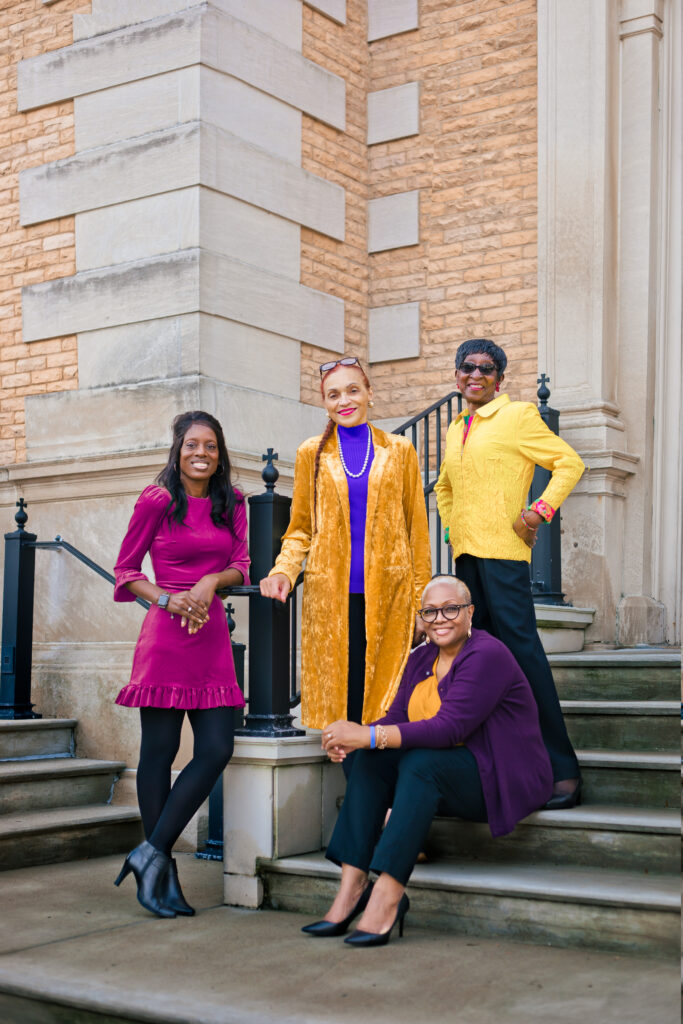

Combating the Most Common Signs of Aging-Inside and Out
“Beautiful young people are accidents of nature, but beautiful old people are works of art.”
Eleanor Roosevelt
FEEL YOUNGER AND LOOK GREAT
Getting older can come with a host of changes to our minds and our bodies. While I will gladly take the wisdom, there are some issues I’d rather not deal with that keep popping up with every passing year. Experts on aging agree-there are steps you can take on earlier in life that will make your “golden years” healthier and more enjoyable. Science has even shown they can add years to your life. Read on as local providers weigh in with tips on how to outsmart Father Time.
The advice in this article is not meant to take the place of your regular health care professional. As always, check with your doctor and pharmacist before a change in your diet or taking a supplement for the first time.
INTERNAL HEALTH
Yolanda Ellis Heath, owner of Heath Health Foods, has been one of the area’s most trusted resources when it comes to staying vitally healthy. She and her staff have the ability to tailor to individual needs, but a few of the supplements she recommends are to stave off the aches and pains that are far too common as we age.
- Curcumin – The main active compound in turmeric has been shown to possess powerful cellular protective properties. A process called cellular senescence occurs when cells stop dividing. As you age, these cells accumulate-which is believed to accelerate aging and disease progression. Research has shown that curcumin activates certain proteins that help delay certain proteins that helps delay this process and promote longevity. Animal studies have demonstrated that curcumin combats cellular damage and significantly increases life span.
You can increase your curcumin intake by using fresh or dried turmeric in the kitchen or taking turmeric or curcumin supplements.
- Coenzyme Q10 (CoQ10) – Is an antioxidant that your body produces. It plays an essential role in energy production and protects against cellular damage. Research has shown that CoQ10 levels decline as you age and supplementing with it has been shown to improve certain aspects of health in certain individuals. These work by reducing oxidative stress, a condition characterized by an accumulation of free radicals that accelerates the aging process and the onset of age-related disease.
(Resource: www.healthline.com/nutrition/anti-aging)
SKIN HEALTH
“Father Time is undefeated, but that doesn’t mean we have to keep fighting.” Steven Siraco
Many of us, especially those of us who have spent our fair share of time in the sun, have experienced the cellular damage that comes with it. Those who are older and more expressive can spot the faint beginning of lines that start to tell the signs of getting older. While many embrace the signs of aging, VonThera owner Chanin Rodriguez helps many of us who would like to keep our skin looking fresh and youthful. Her anti-aging skin tips:
- Consistency is key and the most important part of your skin care routine.
- When you start a skincare regimen, understand there is no “insta fix”. Even with advanced procedures and services, much of it is about pre/post care.
- Patience. It takes a period of about six weeks for cellular turnover to happen, using the right products tailored to your age and skin care needs. This is where certified professionals can help.
- Never ever fail to use sun protection. Do not skip ears, lips and neck!
- Never use hot water (too drying) and look for creamy or oil cleanser and moisturizers and hydrating serums and masks packed with hyaluronic acids, plant and nut oils and seaweed extracts, selected for you by a professional.
HAIR HEALTH
I never understood the impact of the changes your hair makes as you age until I found myself fighting that battle. Aging and two bouts with COVID-19 combined have done a number on my hair that can be extremely frustrating. Just like with skin, a qualified hair stylist who is experienced with aging/processed hair can be your biggest help in this. Fringe Salon’s Casey Looper makes suggestions on how to help thinning/aging hair stay strong.
- Ditch the dark (for gray coverage). Many of us turn to dark colors to hide the gray hairs that start popping up, never realizing how harsh it is against aging skin. A good stylist will be able to blend colors and even highlight lighter pieces around your face that will help camouflage the gray and brighten your look.
- Keeping your hair healthy also requires a color line specific to aging hair. Aging doesn’t mean old, it means it has been processed for a long time.
- Eating a protein rich diet and using nourishing products like Olaplex, which is like a gym routine for your hair. The more you use it, the stronger, healthier, and shinier it will be. It finds bonds that have broken down (by heat, age, toxins) and reconnects them from root to end.
SPINE/JOINT HEALTH
Yoga, one of the world’s oldest health systems, is receiving new attention for claims that it can contribute to healthy aging. Multiple, well-designed studies provide data showing that yoga practice has positive effects on cellular aging, mobility, balance, mental health, and prevention of cognitive decline—all areas of concern for older adults. True North Yoga instructor Kathy Buri explains the benefits of a regular yoga practice.
“In any yoga class, you will learn the power of your own breath. It has amazing restorative effects on your body and can improve baseline response to everyday stresses that may contribute to high blood pressure. Physically you’ll see greater flexibility and mobility in your joints, muscular strength to better support your bones through age related changes, and improved balance thanks to standing postures and increased body awareness. There is a practice for everyBODY, at any age and level.
To find Kathy’s classes along with a complete schedule, visit