
In times as tumultuous as these, it’s natural to celebrate those among us who have helped to make sense of the senseless, who have responded to the tragedies, who have fought for injustice, and who have extended a hand when we were down.
At VUE, we’ve used our light to shine upon the work of first responders, healthcare workers, and community organizations who have done just those things.
In March, we join the world in paying overdue gratitude to social workers, who perhaps are among the most essential of us all. These everyday heroes have helped to heal our nation from within as we grapple with a global pandemic, racial unrest, and economic uncertainty.
Social workers show up each day with an unparalleled love for their fellow man and endeavor to show as much of that love as possible with ever-dwindling resources. They are there for us in each stage of life, working with children, families, the struggling, the elderly, in hospitals, schools, treatment centers, civic organizations, and governments.
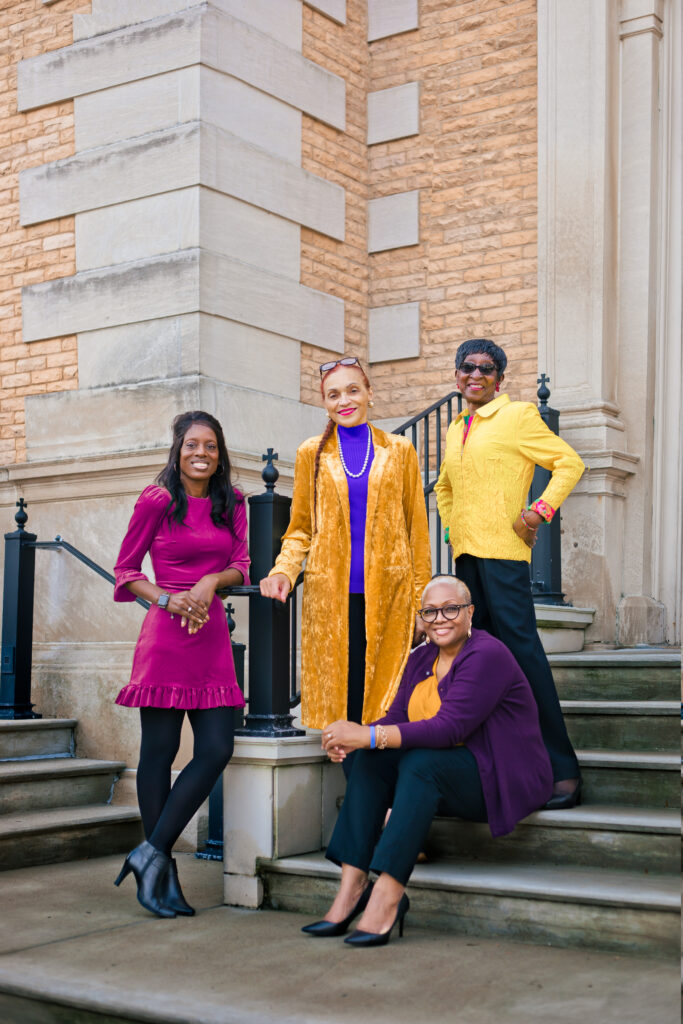
The trio of local social workers that we feature may be different in the way they do their jobs, but they show great similarity in why. Influenced by other caregivers in their lives, they all chose the social work profession because of their love for others and their desire to help further that love through consistent support for those in need.
And in that endeavor, they all face similar challenges. Lack of resources, insufficient time, misinformation, and lack of education around mental health—these are among the things they battle against each day. And at the end of those days, after they have exhausted themselves sometimes physically, emotionally, and mentally, they all return home to their families and their homes to rest before tackling the same demons the very next day.
As with most everything these days, the work done by social workers has intensified. The sheer need for the work that they do has increased. They know that their love for the people they work with is needed more than ever.
Because of that, some may say now, more than ever—that social workers are essential.

Thelma Hunter, LCSW, LCADA
Four Rivers Behavioral Health
- What led you to be a social worker? I wanted to be a social worker to be able to make a difference in someone’s life. I wanted to help others become the best versions of themselves. I also had life experiences that helped me become more empathetic to the needs of those trying to overcome the obstacles and stigmas they faced.
- How do you make children feel at ease during a transition? I have not worked with children in a long time, but working with adults would be basically the same. You need to let them know that they have your support, with no judgements. People are frequently going through transitions in many aspects of their lives. You need to do everything you can to help them build their self-esteem and resilience to these life changes.
- What is something you wish the general public would understand about your profession? I think when people hear the word social worker, they automatically think of people who work in social service agencies such as DCBS. Social workers are also clinicians, consumer advocates, administrators, etc. Social work encompasses a wide field of opportunities in working to help others.
- What has been your greatest challenge? I work in a residential facility for the treatment of addiction, and my greatest challenge has been the needs far exceeding our available resources. We currently have over 100 men on a waiting list to come in. Knowing that some of these individuals may not survive before they can get into our program is heart breaking. Substance use has taken so many lives way too early. This is only getting worse with COVID-19 causing isolation for those in addiction.
- What is the most gratifying part of your job? The most gratifying part of my job is getting to see the positive transformation in our residents who graduate the program. These individuals often come in the door hating themselves and have given up all hope for a better life. They did not believe anyone cared for them as human beings. During the program, their lives are changed and they believe in themselves again. They see hope for their future.
- How do you balance your work life and home life? I am working on that. I know I need improvement in that area. Running a residential facility, you are on call 24/7. It’s hard to just shut everything off and leave the office, knowing there could be a crisis at any minute you have to deal with. I am getting better at self-care, which is crucial for any social worker.
- If you could improve one part of the system with community support, what would it be? I would love to see the stigma of addiction and mental illness be decreased. Society in general has always been very judgmental of these populations. I think more community education on these diseases would be very beneficial in changing the attitudes of others. There are very few persons out there who have not had a brother, sister, mother, father or other relative struggling with these issues. Addiction and mental illness do not discriminate. They affect everyone. We should all be kinder to each other and realize everyone is struggling with something.
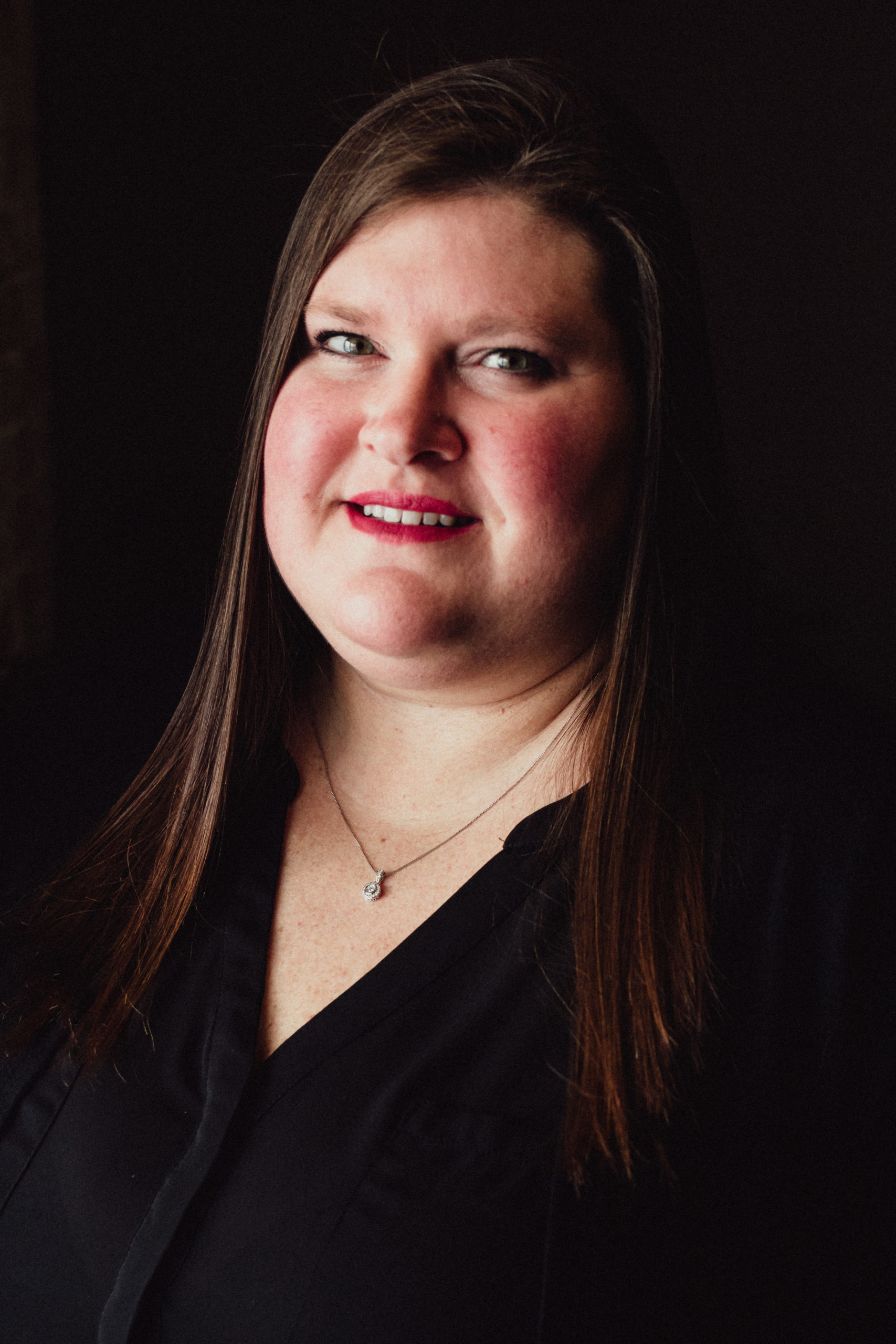
Sarah Carter, LSW
Mercy Health Hospice & Palliative Care
- What led you to be a social worker? I grew up feeling called to support and care for the vulnerable. I graduated from Middle Tennessee State University with a Bachelor of Animal Science as a young single mother. I then obtain an Associate degree from Bel-Ray in Denver, Colorado. I started my career as a certified veterinary technician in Parker, Colorado. I loved working with animals, but I felt I was being called down a different path. I then began taking prerequisites for Nursing School. After moving to the Paducah area, I was fortunate to work for Murray Calloway County Hospital in their Acute Rehab Unit as a certified nurse assistant. I loved working with the patients and getting to know them, making sure they had what they needed. I worked with a wonderful social worker during my time there. Seeing how she helped patients transition from the hospital to home and connecting them to community resources turned on the proverbial “light bulb.” It was through the struggle of being a single mother, working fulltime, and going to school that I realized I wanted to support and encourage others who need support on their journey of life. I wanted to help others knock down barriers in their own lives so they could actualize their goals. I changed paths in school and obtained my Bachelor of Social Work from Murray State University. I am currently enrolled at the University of Kentucky working on my Master of Social Work.
- How do you make families feel at ease during a transition? I believe it is important during any transition or stage in life whether at the beginning, middle, or end to have support and to be heard. It is my goal to provide support by creating a safe space for people to express their emotions and needs, and by also connecting them to the resources they may need to achieve their goals. In my current role as an admission’s social worker with Mercy Health Hospice, I work with an incredible team to bring comfort to patients and families in the last stages of life to help them live as fully as possible.
- What is something you wish the general public would understand about your profession? The profession of social work is vast. Many people hear the term ‘social worker’ and their only point of reference is child welfare, but social work is so much more. There is clinical social work (mental health,) medical social work, advocacy, community organization, forensic (criminal justice,) military, hospice and palliative care, geriatrics, school social work, and so on. Social workers are there to support all facets of life.
- What has been your greatest challenge? There are challenges with every profession. Social work is no different. The patients/clients I see are all unique, with varying needs. My greatest challenge as a social worker is trying not to worry (too much) about the patients/clients long after my time with them is over.
- What is the most gratifying part of your job? How much time do we have! I love meeting with patients/clients, listening to their concerns and challenges, and meeting them where they are in that moment. Those moments when you see the relief or smile on their face when they have someone who listens – really listens – to them. Setting a goal (big or small) with the patient/client and being able to see them reach that goal! It can be amazing.
- How do you balance your work life and home life? The balance is hard to find sometimes, as is with any profession. When I get home most days, I have to switch to mom mode and student mode. There never seem to be enough hours in a day. Truly, my son makes me laugh daily, which always brightens even the toughest of days.
- If you could improve one part of the system with community support, what would it be? We have fantastic organizations in our community that work incredibly hard to meet the needs of our citizens. I am honored to live in this community and work a long side some amazing people. If I could improve the system, it would be to make access to community and government resources more equitable and to reduce and eliminate the barriers many people experience in accessing those resources and assistance.

LaMonica Brown, LCSW
Four Rivers Behavioral Health
- What led you to be a social worker? My life! It’s in my blood! My great-grandmother owned the first Black Childcare Center in Paducah, and she started a legacy of caring for children that goes on until today. I was literally raised in a Childcare facility. This, coupled with things I went through as a child, I decided that I could be angry or use it to spread hope to others. I tell my kids, “I am what hope looks like.” And social work was a way for me to show kids in tough situations that they are an example of hope, too.
- How do you make children feel at ease during a transition? Just being myself. Being straight up Monica! Finding their interest and using it, being silly, and showing them I care. Kids can detect “fakeness”!
- What is something you wish the general public would understand about your profession? That we are the backbone of every social justice movement in history, and we have various jobs other than working in social services.
- What has been your greatest challenge? Not having all the resources you need to help people. It becomes exhausting!
- What is the most gratifying part of your job? When I actually have the resources and skills to help people. That’s the best thing EVER! I go home happy.
- How do you balance your work life and home life? I’m super blessed to be in a relationship with a giver, so it works itself out. We are usually helping each other.
- If you could improve one part of the system with community support, what would it be? That every aspect of mental health is funded and given the same amount of care and attention.